MVHS Renovation Project
Dear RSU40 Community,
On March 19th the Board voted unanimously to place the MVHS Capital Improvements Bond and Maine DOE Revolving Renovations Loan on the ballot for voter approval. Since that meeting, many of us have had the opportunity to attend Select Board meetings in each of our five towns: Waldoboro, Warren, Union, Washington and Friendship. We appreciate the warm welcome and support we received at each meeting.
Over the course of the year leading up to the meeting on March 19th, the Facilities Committee and Board heard reports from Energy Efficiency Investments, Novo Studio Architects and our Facilities Administration who were tasked with creating the project goals. We learned from the team about the building needs at Medomak Valley High School and how they impact the wellbeing of the district. The Capital Improvements will focus on replacing end of life systems such as plumbing, electric, heating and ventilation and address health and safety needs including water treatment and storage, asbestos remediation, ADA compliance, bathroom updates, and reconfiguring the front entrance so that it meets safety standards for entry. Many of these items have previously been identified as needed improvements by our accreditation organization (New England Association of Schools and Colleges), but the projects are too large to fit into our annual budget.
On June 9th, voters will have the opportunity to vote on the MVHS Capital Improvements Bond and Maine DOE Revolving Renovations Loan. The cost of the Capital Improvements project will not exceed $24,911,164. The team worked hard to obtain Maine DOE funding of $4 million dollars, of which 42.75% will be paid back at zero percent interest over ten years. Our technology department has created a page on the RSU40 website with presentations, videos, financial impact, and frequently asked questions. Any additional questions can be directed to the names and emails listed below.
As a Board, we feel strongly that the team has created a plan that is financially responsible and meets the needs of MVHS for the next generation. Replacing end of life systems will decrease annual maintenance costs and allow our facilities administrators to fund other necessary projects throughout the district. At the end of the project, the interior of the school will have new floors, new ceilings and fresh paint so it will look and feel like a new school. This provides our students, teachers and staff with an environment that reflects our community pride. We hope you will vote on June 9th!
Sincerely,
Danny Jackson, Chair, Waldoboro danny_jackson@rsu40.org
Rick Butler, Vice Chair, Warren richard_butler@rsu40.org
Naomi Aho, Warren naomi_aho@rsu40.org
Joshua Blackman, Warren joshua_blackman@rsu40.org
Randy Kassa, Warren randy_kassa@rsu40.org
Ellianna Lutz, Washington elianna_lutz@rsu40.org
Tim McGlaughlin, Friendship tim_mclaughlin@rsu40.org
Rachael Morris, Washington rachael_morris@rsu40.org
Leah Shipps, Waldoboro leah_shipps@rsu40.org
Benjamin Stickney, Waldoboro benjamin_stickney@rsu40.org
Nichole Taylor, Union nichole_taylor@rsu40.org
Emily Trask-Eaton, Waldoboro emily_trask-eaton@rsu40.org
Betsy Vanderploeg, Friendship betsy_vanderploeg@rsu40.org
Rachel Wilcox, Union rachel_wilcox@rsu40.org
Timothy Wood, Union timothy_wood@rsu40.org
Melvin Williams, Waldoboro (in Memoriam)
Dr. Thomas J. Ambrose, Interim Superintendent thomas_ambrose@rsu40.org
Danielle Fagonde, Assistant Superintendent danielle_fagonde@rsu40.org
Karen Pike, Business Manager karen_pike@rsu40.org
Brian Race, Facilities Director brian_race@rsu40.org
Introduction
On June 9th, voters will decide whether or not to approve a bond worth $24.9 million dollars to do critical infrastructure upgrades to Medomak Valley High School. This project will ensure that the building will be healthy, safe, functional and can continue to support student learning for years to come.
Why This Matters
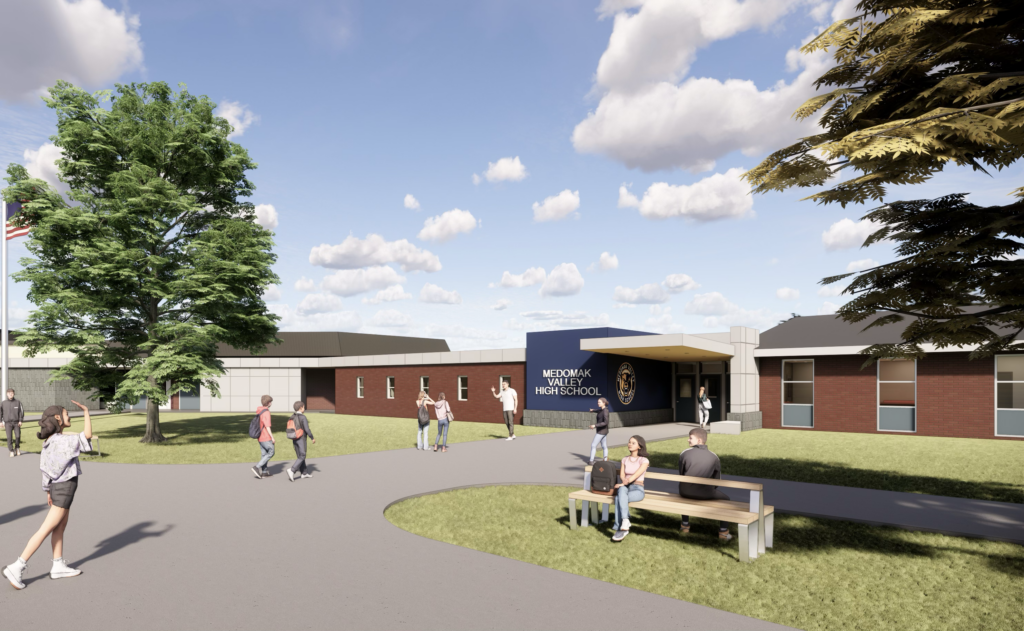
This renovation is crucial to provide students a safe, accessible and modern learning environment. It prioritizes essential upgrades while ensuring fiscal responsibility and long term benefit to the community.
Existing Conditions at MVHS
The building has hazardous materials that need to be remediated. Handicapped accessibility is very limited and, in most spaces, does not accommodate students, staff or parents with mobility impairments. Lastly, the building systems are old and at end of life. They do not function at the most basic levels and need to be addressed before they get worse or fail completely. Below is a synopsis of the current conditions:
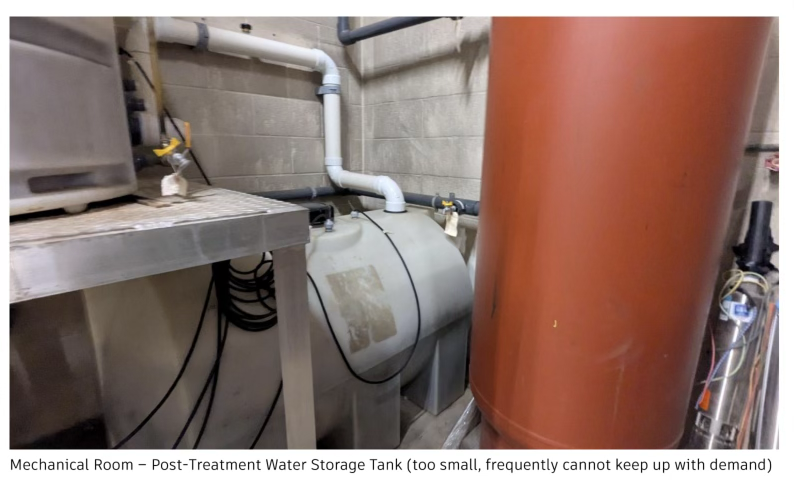
Currently, the filtration system is inadequate to address the levels of arsenic leaving students and staff without access to drinkable water.
Additionally, the size of the cistern is too small for the amount of water needed to reliably operate bathrooms and keep up with demands.
Lastly, the existing 6” main cast iron sanitary piping throughout the school has severely corroded, which has reduced the interior diameter to approximately 3” – a 75% reduction in capacity. This reduction has created a number of ongoing maintenance challenges as well as health and safety concerns for the school’s population.
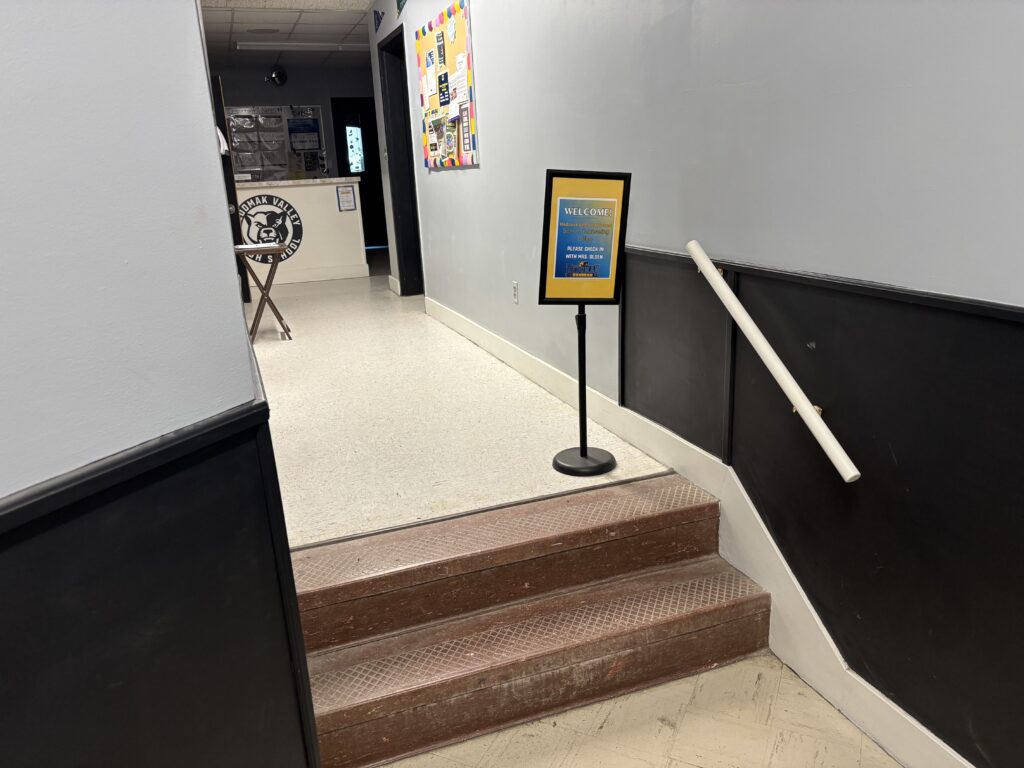
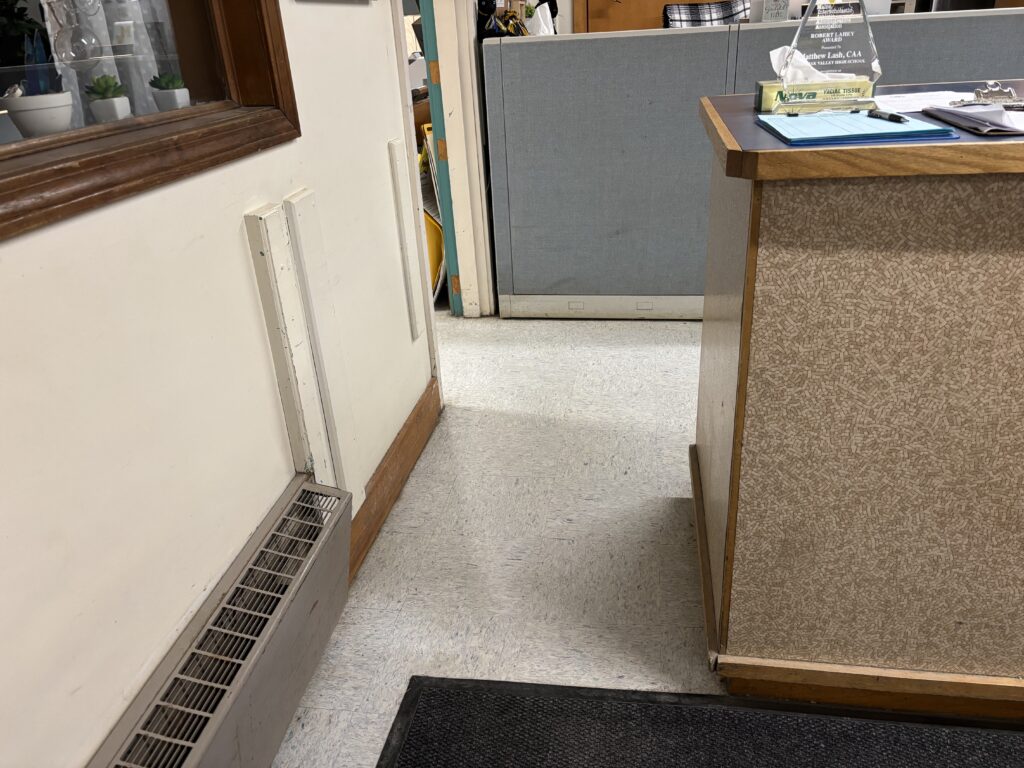
The building was constructed prior to the implementation of guidelines for accessibility. The restrooms, locker rooms, main office and counseling suite are not handicapped accessible.
Students and parents in wheelchairs struggle to interact and get the same level of care and instruction that an able-bodied student receives.
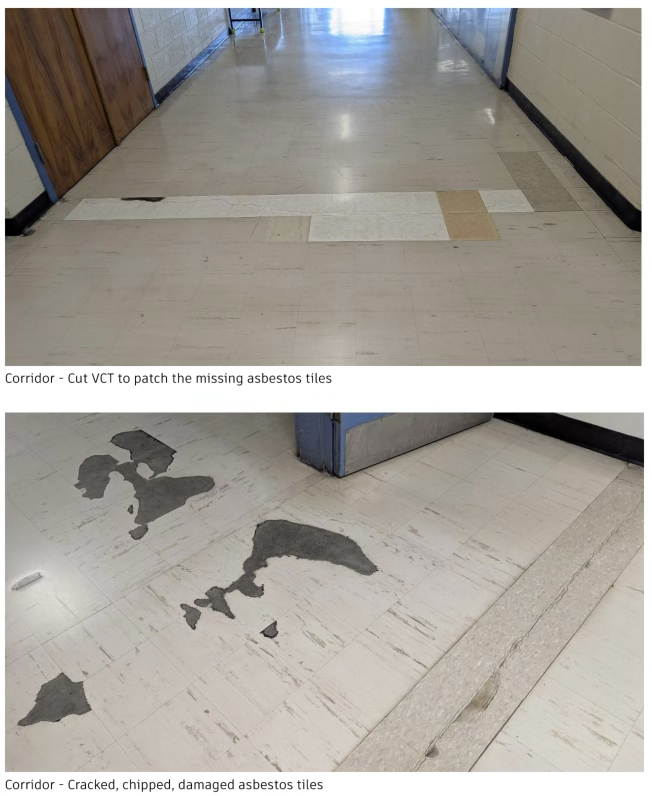
There is about 45,000 square feet of asbestos tile in the building that needs to be removed.
Additionally, there is asbestos in ceiling tiles and around current heating and ventilation systems that has to be abated.
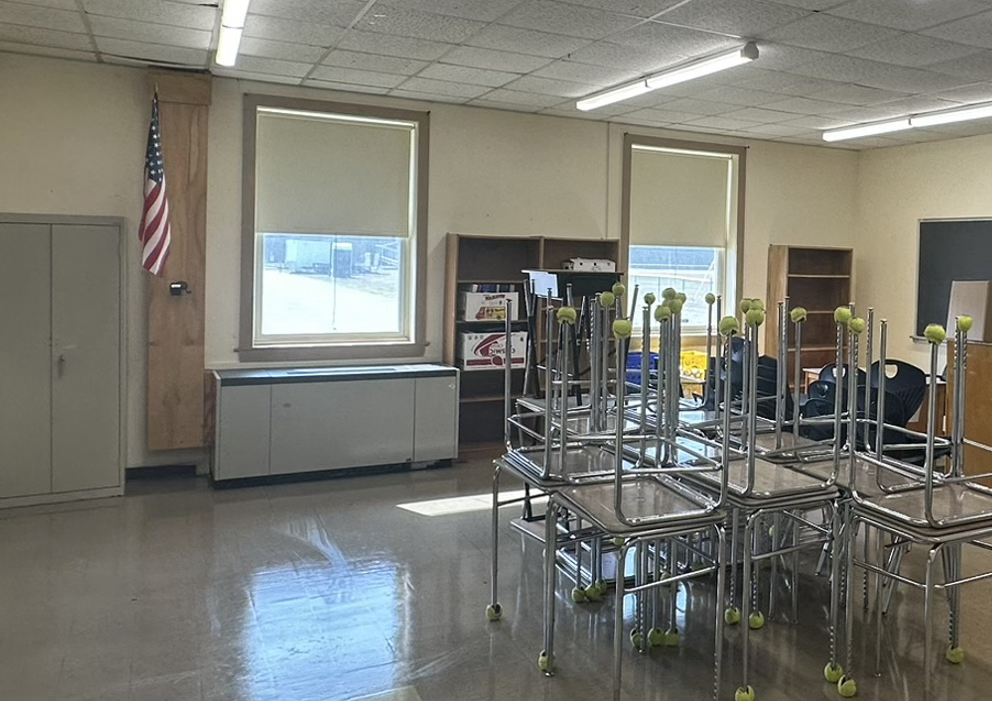
The current boiler is almost 40 years old and considered end of life. The District has a planned replacement for the heating plant but 32 unit ventilators remain throughout the building. The unit ventilators are 27 years old and are approaching end of life. These systems are loud, inefficient, do not heat the space adequately, and are designed to pull in outside cold air to mix with the return air, resulting in energy waste and cold indoor temperatures. These systems are prone to leaks, difficult to source parts for, and expensive to repair. There are fluctuations as much as 10 degrees throughout the building on any given day.
The classrooms within the Industrial Arts wing receive heat through a fan coil which is undersized for the square footage resulting in an inefficient and ineffective system. There is a separate ventilation system, that when operating to meet code minimums, overpowers the heating system resulting in very cold indoor conditions.
There are limited exhaust fans within the student locker rooms and some but not all bathrooms. None of the exhaust fans meet the code minimum by today’s standards.
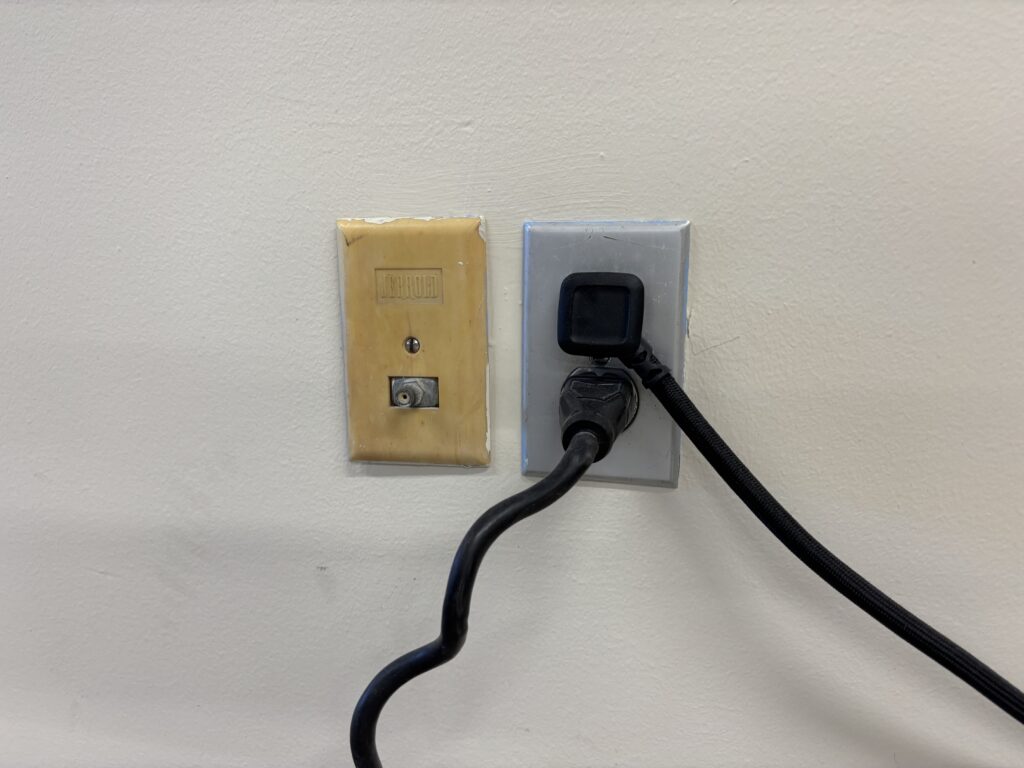
The electrical that was installed in 1969 when the building was first opened is not up to today’s standards. More electrical outlets are needed in all classrooms to charge devices, run equipment and operate the building. The wiring is outdated Romex wire. Most classrooms have only 2 outlets, which is insufficient for 21st century learning practices. The existing electrical infrastructure does not meet current code or standards for an educational facility.
Project Scope and Timeline:
The scope of this project is clearly defined around three basic goals: making the building safe for students and staff, maximizing existing spaces, and using taxpayer funds responsibly. All of the work that would be done with both the Revolving Renovation Loan and Voter Approved Bond has been planned with those goals in mind. Additionally, all of the work will be done over 3 consecutive summers to efficiently complete the entire project while avoiding disruptions to teaching and learning. The details of this work are listed below.
Students and Staff deserve a safe and healthy environment. This project focuses on addressing overdue issues of hazardous materials, code compliance, and critical building systems upgrades.
- Remediate Hazardous Materials
- Address Water Storage and Treatment
- Address Code Compliance Issues for Fire Safety – Smoke Separations and Sprinklers
- Update Heating and Ventilation
- Address Handicap Accessibility Issues
- Renovate Student Bathrooms for Functionality, Safety and Accessibility
- Create a Secure Main Entry Vestibule
The plan for the renovation Medomak Valley High School was carefully done with teacher input, building assessment, and long-term planning in mind to ensure that our high school can effectively meet students’ learning needs for years to come.
- Update Science Labs and Classroom Spaces
- Make Student Counseling, Health Services and Administrative Spaces Visible and Accessible
- Reorganize Existing Spaces for Efficiency and Collaboration
- Enhance Electrical System Capacity
This plan is focused on addressing the most pressing needs for the building, students and staff. Focusing solely on projects that address Health, Safety, Security and 21st Century Learning within the existing building footprint.
- Addressing building systems that will lower future maintenance and utility costs.
- Using existing footprint eliminates costly additions to the building.
- Focusing on the most important issues facing the building and its occupants.
This overall project will be phased over the next three summers utilizing funds from both the Revolving Renovation Loans and funds from the voter approved bond. The sequencing has been carefully considered to maximize efficiency and funding and minimize impact to teaching and learning. A detailed breakdown of the construction schedule will be made available ahead of each planned work period.
* Items marked with an asterisk(*) are being paid for by Maine Revolving Renovation Funds. As part of this program, the district is only responsible for paying back 46% of money borrowed over 10 years at 0% interest. Since the repayment will begin after other debt has been fully paid down, there will no direct impact to taxpayers for this work.
- Summer 2026
- Floor Tiles Removed*
- Asbestos Abatement throughout Building*
- Installation of Larger Water Cistern*
- Installation of Water Treatment Filtration*
- Installation of Biomass Boiler
- Summer 2027
- Address Plumbing
- Improve Electrical
- Install Flooring
- Summer 2028
- Framing and Finishes for Classroom and Public Spaces
Financial Information:
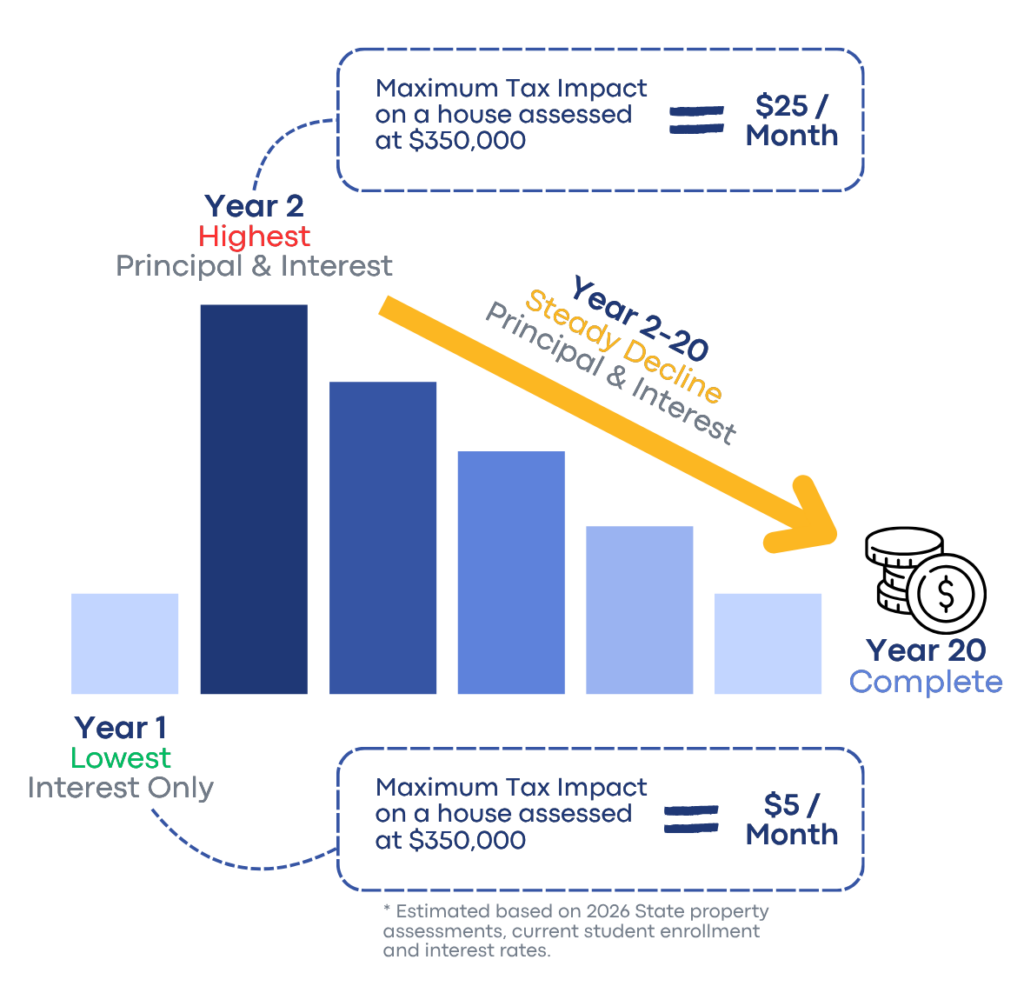
The 24.9 Million Dollar Bond would be paid back over 20 years. The first year of the repayment would be interest only. As the interest on the loan gets paid off, the annual impact will gradually decrease until the principal is paid off. Based on current property values and interest rates, the Maximum Tax Impact on a home assessed at $350,000 is approximately $25 dollars a month and would decline as the bond is paid off.
The district applied to the State of Maine revolving renovation loan program to address some of the scope of this project. We were able to securing funding for three projects. In all the district was awarded:
$1,469,458 for MVHS Asbestos Abatement
$493,574 for MVHS Water Quality Improvements
$2,000,000 for Union Elementary School Ventilation System
Total Awarded to RSU 40: $3,963,032
These funds will be repaid at 0% Interest and we will only be obligated to pay back 42% of the money borrowed. Since current debt on the Middle School will be paid off before we begin repaying the Revolving Renovation Loans, there will be no increase to taxpayers for borrowing this money.
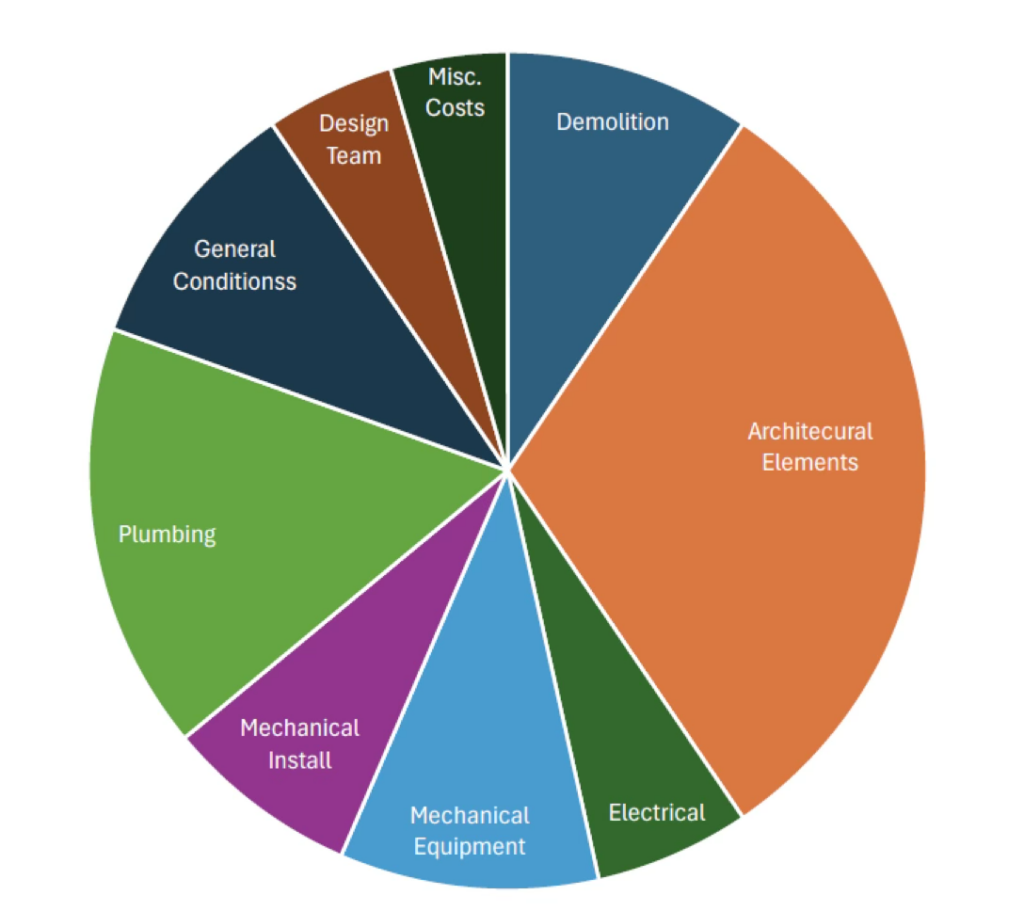
The $24.9M Bond is all-inclusive of the proposed work at Medomak Valley High School. This is a fixed cost. The designers and contractors must work within that budget and that budget cannot be raised.
The vast majority of this money will be going towards plumbing, mechanical, electrical, and infrastructure upgrades. The goal is to focus on the most critical needs to keep the building healthy and operational.
Frequently Asked Questions
What is the total project cost and can it increase?
The Total Project Cost is $24.9 Million Dollars. This is a Set Price, and the total cost cannot increase.
How will the project affect my taxes?
If the bond is approved, it will be for 20 years. The payments for the first year are interest only and minimal. Starting at the second year, payments will be approximately $2M and decrease each year from there. The decrease starts at 2% and increases to 4% by the end of the 20-year period. The impact to taxpayers based on current property values and student enrollment is between $47 and $87 per $100,000 of assessed value of your home. For example, if your home is assessed at $300,000, you will pay between $141 and $261 per year at the highest, and it will decrease incrementally each year thereafter.
The bond interest rate will be set through the Maine Bond Bank and is expected to be approximately 4%.
Why is this project necessary?
The building has hazardous materials that need to be remediated. Handicapped accessibility is very limited and, in most spaces, does not accommodate students, staff or parents with mobility impairments. Lastly, the building systems are old and at end of life. They do not function at the most basic levels and need to be addressed before they get worse or fail completely. Below is a synopsis of the current conditions:
Indoor Air Quality and Hazardous Materials: Approximately 45,000 square feet of flooring in the building is comprised of composite vinyl asbestos tile. The tile found in the classrooms is mostly in decent conditions with minor cracking and chipping occurring. However, the asbestos tile located in the corridors, which receives routine heavy traffic, has many visible areas of missing or chipped tiles, leaving an exposed black mastic residue. The maintenance staff routinely replaces chipped and heavily damaged tiles throughout the year. The staff is relegated to replacing not more than the recommended limit of 3 linear or square feet. As a result, many areas in need of replacement must remain because they extend beyond the 3 linear or square foot limit. Several locations, particularly in the corridors, have a patchwork of flooring materials amounting to far more than 3 linear feet, as patches have been provided year over year. Given the number of cracked and missing tiles, the school needs to expand their maintenance plans and keep up with the patchwork. It should be noted, there are missing tiles in most rooms, it would be a massive undertaking to patch each one. The appropriate course of action is to replace all flooring containing asbestos.
It is noted that some of the ductwork within the ceiling is wrapped with asbestos insulation. There are acoustic ceiling tiles in most locations, with exception of some service areas. However, the building systems above the acoustic ceiling tiles require access for frequent general maintenance and repairs. Moving the acoustic ceiling tiles, with the asbestos insulation above, can mean that some of the contaminated dust and debris makes it into the air when any of the ceiling tiles are removed or adjusted during routine maintenance. This does not only impact the technicians serving the building, but also the educators, admin and the student population. The threat is especially heightened if any of the asbestos insulation is disturbed.
Accessibility: The building was constructed prior to the implementation of guidelines for accessibility. The restrooms, locker rooms, main office and counseling suite are not handicapped accessible. Students and parents in wheelchairs struggle to interact and get the same level of care and instruction that an able-bodied student receives.
Water: The school faces a two-pronged issue when it comes to water. First, the existing water holding tank does not hold enough water to supply the school and routinely runs out of water, especially during athletic events or other large gatherings. The second issue that the school is faced with is the water quality with regards to arsenic. The school is often just under or at the PPB threshold that is required to maintain for safe drinking water. Currently, the students and staff do not drink water from the fountains or tap, bottled water is provided instead.
Heating and Ventilation: The current boiler is almost 40 years old and considered end of life. The District has a planned replacement for the heating plant but 32 unit ventilators remain throughout the building. The unit ventilators are 27 years old and are approaching end of life. These systems are loud, inefficient, do not heat the space adequately, and are designed to pull in outside cold air to mix with the return air, resulting in energy waste and cold indoor temperatures. These systems are prone to leaks, difficult to source parts for, and expensive to repair. There are fluctuations as much as 10 degrees throughout the building on any given day.
The classrooms within the Industrial Arts wing receive heat through a fan coil which is undersized for the square footage resulting in an inefficient and ineffective system. There is a separate ventilation system, that when operating to meet code minimums, overpowers the heating system resulting in very cold indoor conditions.
Ventilation: There are limited exhaust fans within the student locker rooms and some but not all bathrooms. None of the exhaust fans meet the code minimum by today’s standards.
Plumbing: The existing 6” main cast iron sanitary piping throughout the school has severely corroded, which has reduced the interior diameter to approximately 3” – a 75% reduction in capacity. This reduction has created a number of ongoing maintenance challenges as well as health and safety concerns for the school’s population. Back-ups happen often, which often requires the drain to be snaked to allow the flow to resume. This is not only an inconvenience that delays use of fixtures, but also introduces toxic sewer gases, bacteria, viruses and potential mold growth. People that are exposed to these conditions can develop respiratory issues and weakened immune systems. Addressing this issue will allow the staff and students to avoid these harmful situations. Additionally, the cost of ongoing maintenance and repair to maintain the failing drainage system is significant.
Electrical: The electrical that was installed in 1969 when the building was first opened is not up to today’s standards. More electrical outlets are needed in all classrooms to charge devices, run equipment and operate the building. The wiring is outdated Romex wire. Most classrooms have only 2 outlets, which is insufficient for 21st century learning practices. The existing electrical infrastructure does not meet current code or standards for an educational facility.
What are some specific improvements?
The project will provide critical infrastructure upgrades for a safer and healthier building.
Infrastructure Upgrades:
- Abate hazardous materials.
- Install larger water storage tank and arsenic treatment system for water safety
- New heating and ventilation to meet current codes, provided missing ventilation, create a more efficient and thermally comfortable indoor condition
- Replace the existing cast iron main drain with a new system
- Electrical system upgrades for safety and educational tools for 21st century learning
Security Upgrades: The school does not currently have a secure entry sequence. Right now, visitors are buzzed in and check in on an honor system. The renovation would add a layer of security that would force all visitors to check in at the main office before entering the school.
Building Code Upgrades: The project will install a sprinkler system throughout the building to meet the current standards of life safety and fire suppression. Additionally, the project will create required smoke and fire separations.
Handicapped Accessibility Upgrades: The building was constructed prior to the implementation of guidelines for accessibility. The restrooms, locker rooms, main office and counseling suite are not handicapped accessible. Students and parents in wheelchairs struggle to interact and get the same level of care and instruction that an able-bodied student receives. It is incumbent upon the district to make upgrades for ADA starting in 2028 to accommodate a wheelchair-bound incoming freshman.
Student Services Upgrades: The project will create a dedicated student resource space for counseling and health. The student resource suite will be located near the front entry so parents attending meetings or picking up a child from the nurse’s office do not have to navigate through the building but rather can access their child directly off of the front office. This approach limits members of the public and maintains secure access for students and staff.
When is Voting Day?
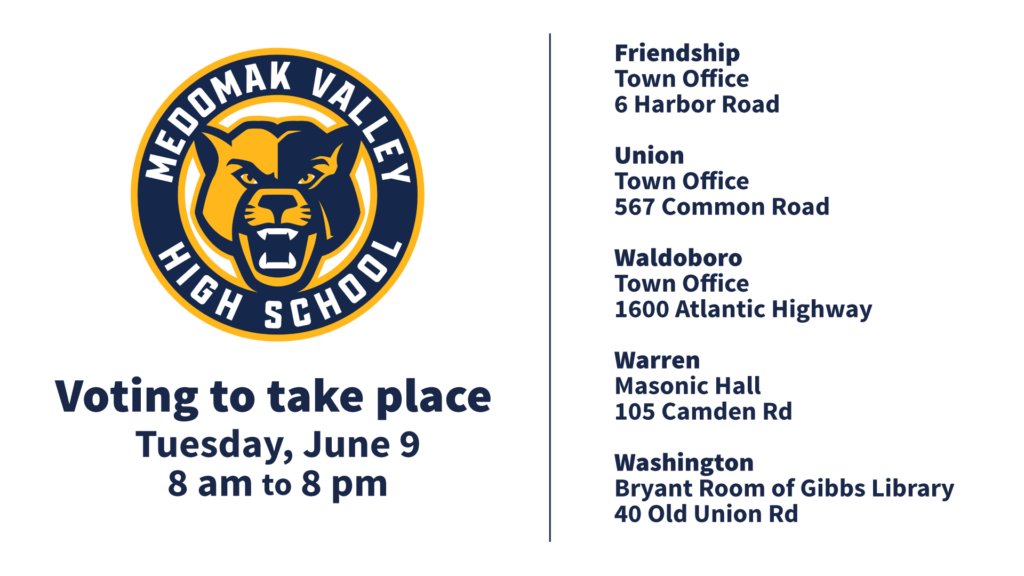
Voting Day is June 9th from 8am to 8pm
- Friendship: Town Office, 6 Harbor Road
- Union: Town Office, 567 Common Road
- Waldoboro: Town Office, 1600 Altantic Highway
- Warren: Masonic Hall, 105 Camden Road
- Washington: Bryant Room of Gibbs Library, 40 Old Union Road
What is the construction schedule and when will the project be completed?
Construction is scheduled to begin in June 2026. The renovation will stretch across 3 summers, and will not occur during the school year to avoid adversely affect the students and staff.
- Summer 2026 will focus on installing the new heating plant, water safety and storage issues, and remediating the hazardous materials
- Summer 2027 will focus on updates to the plumbing, electrical and flooring
- Summer 2028 will focus on framing and finishes
A detailed breakdown of the construction schedule will be made available ahead of each planned work period.
What happens if the bond doesn’t pass and we don’t do this renovation project?
The building has reached a point where doing nothing is not an option. All the scope elements of this project are related to the basic project goals of addressing health and safety, making the best use of the existing space to avoid building a costly addition, and using taxpayer funds responsibly. This renovation is crucial to providing students a safe, accessible and modern learning environment. It prioritizes essential upgrades while ensuring fiscal responsibility.
Will the new school cost more to operate?
No, by upgrading to modern HVAC, plumbing, and building systems, the building will cost less to operate for a multitude of reasons, one of which being new equipment is far more energy- and water-efficient, reducing utility bills significantly. Updated systems are also more reliable, which lowers the need for frequent emergency repairs and minimizes costly downtime. In addition, improved controls and automation allow the building to run only what’s needed, when it’s needed, cutting waste and extending the lifespan of equipment. Over time, these efficiencies translate into predictable, lower operating and maintenance costs compared to an aging, failing facility.
Presentations About the Project
Voter Information